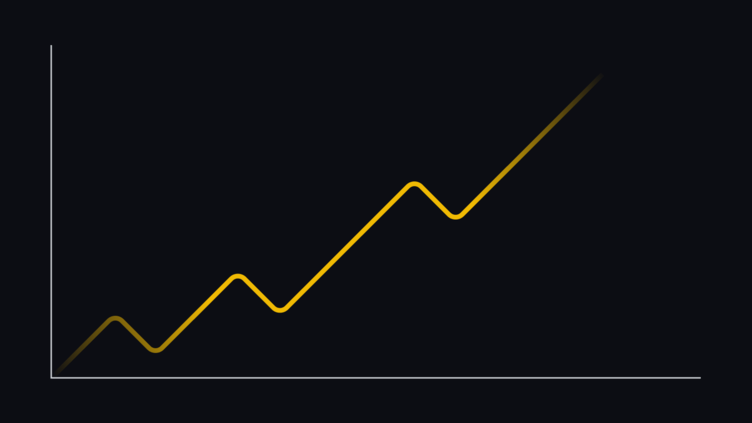
Yield Farming with AMMs
Learn all about how DeFi users take advantage of high APYs to “farm” yield via liquidity pools.

The information, ideas and comments on my blog are not within the scope of investment consultancy. Investment consultancy service: It is offered within the framework of an investment consultancy agreement to be signed between brokerage houses, portfolio management companies and the customer. The views and opinions on my channel and in this video are purely personal comments and are not binding.
These comments may not be suitable for your financial situation and risk/return preferences. Therefore, making an investment decision based only on the information contained herein may not yield results that meet your expectations.
All kinds of content, information, research, opinions, comments, recommendations contained herein have been prepared to give general information, they do not have an absolute validity and verifiable accuracy. <Bitcoin Academy> cannot be held responsible for all kinds of damages, including material/moral damages that may arise from the errors that may occur due to the opinions, information and comments in my channel or from the transactions made based on the information in this channel.
Learn all about how DeFi users take advantage of high APYs to “farm” yield via liquidity pools.
Why is liquidity important? What does providing liquidity involve and where do the rewards come from? And what are some of the risks involved?
1. What is Yield Farming?
DeFi offers the potential to make much higher returns on your assets than traditional finance. Many projects will incentivise users with generous rewards to maintain a liquid market for their token via liquidity pools.
2. What are Liquidity Pools?
Liquidity is important for any asset; something is only worth as much as you’re able to sell it for. Automated market makers (AMMs) use pools of paired assets to provide a liquid market for users to trade.
3. How do Liquidity Provider tokens work?
AMMs need users to deposit their funds into liquidity pools and the locked funds are represented by tokens which act as receipts. These LP tokens keep track of the underlying assets and the fees earned, and can also be staked to gain further rewards.
4. What is APY and how is it calculated?
Yield farmers tend to hunt the highest Annual Percentage Yield (APY) in order to maximise returns on their capital. DeFi can be a very lucrative place to invest, but sky-high APYs are often too good to be true. Especially when it comes to long-term investments.
5. What is Impermanent Loss?
Providing liquidity earns trading fees for yield farmers as well as potential staking rewards. However, the automated nature of liquidity pools on AMMs can lead to losses when compared to simply holding the tokens. Are the rewards worth the risk of impermanent loss?
Summary
The innovative offerings of DeFi tempt many users into chasing high yields around the blockchain space. As we have seen, liquidity is essential for any asset, and many projects are willing to pay handsomely to keep their assets on AMMs. However, high APYs can’t last forever, and when dealing with more volatile assets, the risks may outweigh the returns.
Register Now
Create an account on crypto exchanges using the links below. Start your digital currency journey with an advantage.